How to Grow Your Email List from Scratch: A Practical Guide for 2026
Starting an email list from zero can feel slow, and a little lonely. You publish content, a handful of people visit, and almost nobody signs up. Yet email remains one of the most reliable ways for a small business to stay in touch with people who actually wanted to hear from it. Unlike a social feed, an email list is an audience you can reach directly, without an algorithm deciding whether your message shows up.
This guide walks through a practical, beginner-friendly system to grow your email list from scratch in 2026. You do not need a large budget, a huge following, or advanced technical skills. You need a clear promise, a simple way to sign up, useful content, and a habit of inviting people at the right moment.

Why an Email List Still Matters in 2026
Social platforms are useful for discovery, but they are rented space. Reach can fall overnight, accounts can be restricted, and trends change quickly. An email list gives you a direct line to subscribers, and you can segment it, personalize it, and measure what works.
Email also suits longer, more useful messages. A subscriber who joins for a checklist, a template, or a short course is telling you what they need. That is a much stronger signal than a passing like or view. If you treat that permission carefully, email can drive repeat visits, product sales, course enrolments, and client enquiries for years.
The goal is not to collect addresses at any cost. It is to build a list of people who recognize your name, open your messages, and stay because the content helps them. A smaller, engaged list will almost always outperform a large list bought, borrowed, or gathered with vague promises.
Step 1: Choose One Audience and One Promise
Before you build a form, answer two questions in plain language. Who is this list for, and what will they get that is worth an inbox slot? A vague promise such as “join my newsletter” rarely converts, because it does not explain the benefit.
Compare these examples. “Get my newsletter” is forgettable. “Get one practical small-business marketing tip every Tuesday, with a template you can use the same day” is specific, useful, and easy to judge. Your promise should name the audience, the benefit, and the frequency.
Keep your first audience narrow. Instead of “everyone interested in business,” try “freelancers who want their first five clients,” or “small online shops that want more repeat orders.” A narrow promise makes your lead magnet, your landing page, and your welcome emails far easier to write.
Step 2: Create a Lead Magnet People Actually Want
A lead magnet is a free, useful resource offered in exchange for an email address. The best lead magnets solve one small problem quickly. They do not need to be long or elaborate. In fact, short and specific usually wins.
Good options for beginners include a one-page checklist, a starter template, a short email course, a worksheet, a swipe file, or a simple calculator. For example, a freelancer might offer a “first-client outreach checklist,” while a shop owner might offer a “repeat-customer welcome discount guide.” The key test is simple: would your ideal reader be glad they downloaded it within ten minutes?
Avoid the common trap of giving away a generic e-book that nobody finishes. A focused resource that delivers a quick win builds trust faster than a long document that feels like homework. If you are unsure what to create, look at the questions your audience already asks in comments, emails, and search results, and answer the most common one in a practical format.
Step 3: Pick a Simple Email Tool and Build One Landing Page
You do not need a complex marketing suite on day one. Choose a beginner-friendly email platform that offers forms, a landing page, and basic automation. Many popular tools, including Mailchimp, ConvertKit (now Kit), and MailerLite, offer free starter plans that are enough to test your first offer. Compare ease of use, deliverability, and the cost as your list grows, rather than chasing every advanced feature. Our guide to the best email marketing software for small businesses can help you compare the main options before you commit.
Next, build one dedicated landing page for your lead magnet. Remove navigation, keep the headline focused on the benefit, and ask only for the information you truly need — usually a first name and an email address. Every extra field lowers sign-ups. Add a short description of what subscribers will receive, a clear button, and a brief privacy note explaining that you will not sell their data or send spam.
Test the page yourself on a phone and a desktop computer. The form should load quickly, the button should be obvious, and the confirmation message should tell the subscriber exactly what happens next. If your tool supports it, use a double opt-in confirmation email. It adds one step, but it also improves list quality and helps protect your sender reputation.

Step 4: Write a Welcome Sequence That Earns Trust
Your welcome emails matter more than any single promotion. Most new subscribers decide in the first few messages whether to stay, open future emails, or unsubscribe. A simple three-email welcome sequence works well for beginners.
Email one should deliver the lead magnet immediately, thank the subscriber, and set expectations: what you will send, how often, and what kind of help they can expect. Email two should share a useful story, a common mistake to avoid, or a quick tutorial related to the lead magnet. Email three can invite a reply, ask what the subscriber is working on, or point to a helpful article on your site.
Keep the tone personal and direct. Write as if you are helping one reader, not broadcasting to a crowd. Short paragraphs, one main idea per email, and one clear next step will keep readers moving forward. Avoid filling the first emails with sales pitches. If subscribers learn something useful first, they are far more likely to consider your offers later.
Step 5: Place Sign-Up Opportunities Where Readers Already Are
Once your landing page and welcome emails are ready, add sign-up opportunities in places where interested readers already spend time. The most reliable placements are at the end of blog posts, in the site header or sidebar, and on a dedicated page linked from your main navigation.
Use content upgrades where they make sense. A content upgrade is a bonus resource tied to a specific article, such as a checklist that goes with a how-to guide. Because it matches the reader’s immediate interest, it usually converts better than a generic site-wide offer. You can also add a short, relevant invitation inside popular posts, rather than relying only on a pop-up.
Pop-ups can work, but use them sparingly. A delayed pop-up that appears after a reader has spent time on a page is less disruptive than one that blocks the content immediately. Always make it easy to close, and avoid showing it on every page visit. A respectful experience protects your brand and keeps readers coming back.
Step 6: Grow Your Email List with Content, Partnerships, and Referrals
Content is the engine of long-term list growth. Each useful article, video, or guide gives you a new place to invite the right reader to subscribe. Focus on topics your audience already searches for, answer them thoroughly, and end with a specific invitation tied to the topic. Over time, search traffic can bring a steady stream of new subscribers without paid ads.
Partnerships can accelerate growth, especially when you are starting from zero. A guest post, a joint webinar, a podcast interview, or a mention in another creator’s newsletter can introduce you to an audience that already trusts the host. Choose partners whose audiences overlap with yours, and offer something genuinely useful rather than a generic pitch.
Referrals are another quiet growth lever. Ask happy subscribers to forward an email to one person who might benefit, and make sharing easy with a simple link or button. You do not need a complex referral program at first. A sincere request at the end of a particularly useful email often works better than a complicated incentive scheme.

Step 7: Keep Your List Healthy and Measure What Matters
Growing a list is only half the work. Keeping it healthy matters just as much. Clean your list regularly by removing hard bounces and, after a re-engagement attempt, subscribers who have not opened anything for many months. A smaller list with better engagement usually delivers better inbox placement than a large, inactive one.
Watch a few metrics each month: sign-up rate, open rate, click rate, unsubscribe rate, and spam complaints. Do not obsess over a single email. Look for patterns. If open rates fall, check your subject lines, sending frequency, and whether new subscribers still match your original promise. If clicks fall, check whether your content still solves a clear problem for the reader.
Compliance is not optional. Only email people who gave you permission, include a working unsubscribe link in every message, and follow the rules that apply in your subscribers’ locations, such as the CAN-SPAM Act in the United States and GDPR for readers in Europe. The U.S. Federal Trade Commission’s CAN-SPAM compliance guidance and the official GDPR information site are reputable starting points if you are unsure what applies to you. When in doubt, be more transparent, not less.
Common Mistakes to Avoid
- Buying an email list. Purchased addresses rarely engage, often complain, and can damage your sender reputation.
- Promising one thing and sending another. If people joined for weekly tips, do not switch to daily promotions without warning.
- Asking for too much information upfront. Keep the first form short.
- Sending irregularly, then disappearing for months. Consistency builds familiarity.
- Writing only about yourself. Make the reader and their problem the focus of each email.
A Simple 30-Day Starting Plan
- Week 1: Choose your audience, promise, and lead magnet, and build your landing page.
- Week 2: Write your welcome sequence and add sign-up placements to your site.
- Week 3: Publish two useful posts and share them where your audience already spends time.
- Week 4: Review your sign-up rate, welcome-email opens, and first replies, then improve one weak spot.
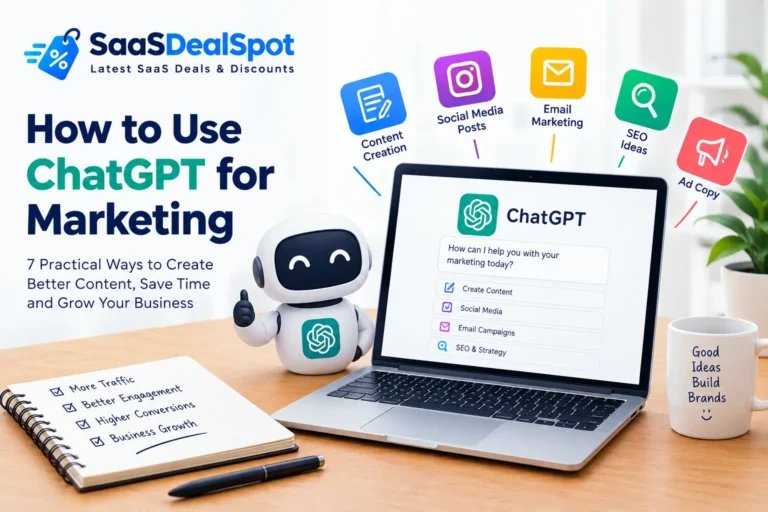
That plan will not make you an overnight success, and anyone promising that should be treated with caution. It will, however, give you a working system you can repeat and improve. As you learn what your audience responds to, you can test new lead magnets, new placements, and new topics. For more practical marketing help, see our guide on how to use ChatGPT for marketing and our guide on how to automate your small business with SaaS tools, which can help you save time once the basics are in place.
Final Thoughts
To grow your email list from scratch is a patience game with a compounding payoff. Start narrow, offer one genuinely useful free resource, make signing up simple, and follow through with emails that help. Measure, clean, and improve as you go. Your first 100 subscribers may take longer than your next 1,000, because those early readers are the ones who teach you what your audience truly wants. Treat them well, and the list will grow with you.