How to Improve Your Website SEO Without an Agency
You can improve website SEO without an agency. You do not need an agency retainer to get found on Google. You need a clear plan, a fast and useful website, and the discipline to publish and improve content week after week. This guide shows how to improve your website SEO without an agency, step by step, using tools and habits that a small team can realistically maintain.
The promise of do-it-yourself SEO is not a shortcut. Search engines reward pages that answer a real question better than the alternatives, load quickly, work well on a phone, and earn trust over time. An agency can accelerate that work, but it cannot replace relevance, product knowledge, or consistency. If you understand your customers, you already have the most important advantage.
What It Means to Improve Website SEO Without an Agency
SEO without an agency means you take responsibility for four jobs: understanding search demand, creating helpful pages, keeping the site technically sound, and earning links and mentions. You can use free tools for most of this work, and you can outsource a single task, such as a site audit, without handing over the whole strategy. That is the whole job when you improve website SEO without an agency.
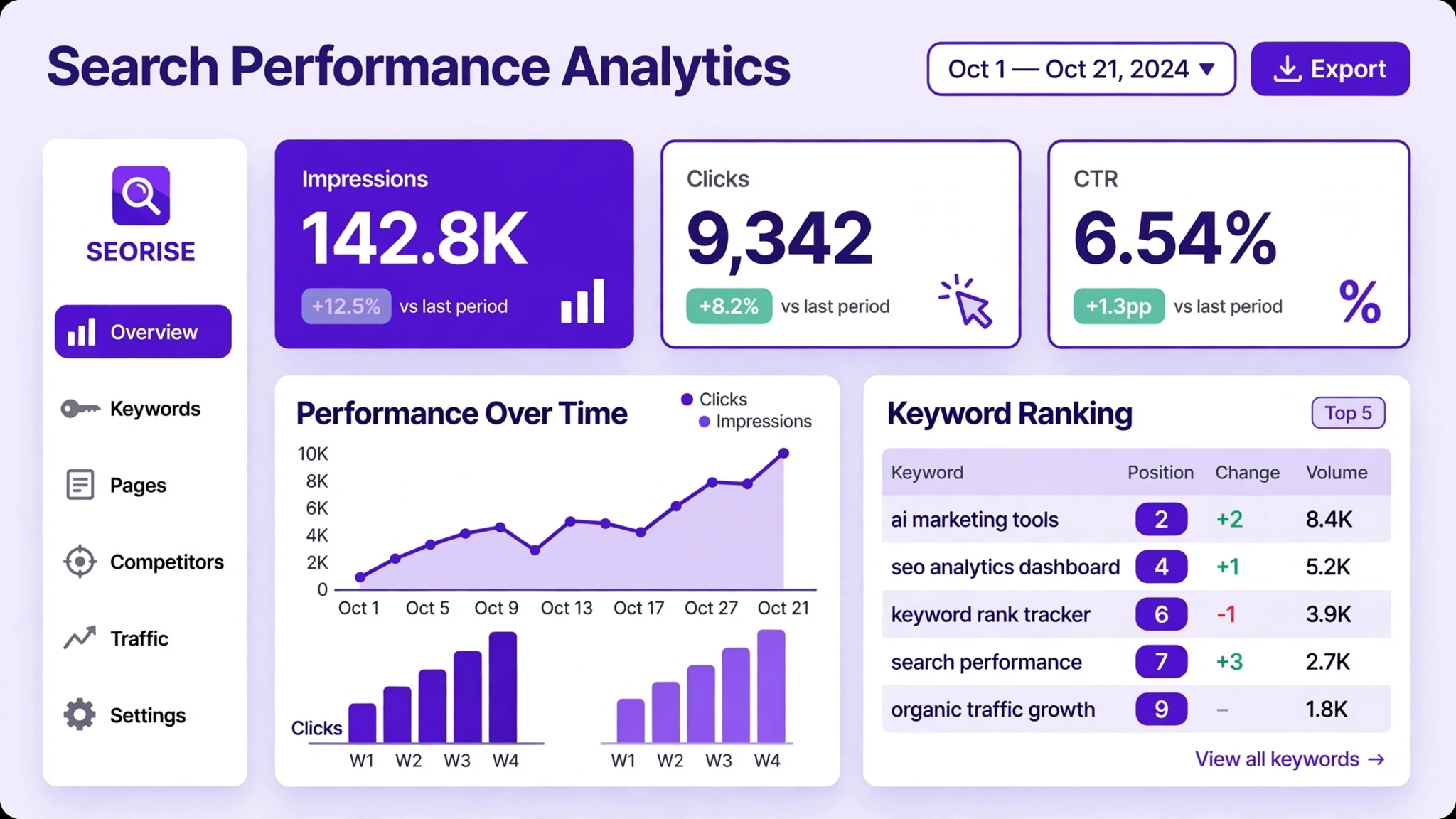
Before you change anything, set up the basics. Connect Google Search Console and Google Analytics, submit your sitemap, and check that your pages are being indexed. Search Console will show the queries people already use to find you, pages with errors, and mobile usability problems. That data is more valuable than any generic checklist.
Find Keywords People Actually Search
Good keyword research begins with customer language, not jargon. Write down the problems your customers describe, the questions they ask before buying, and the comparisons they make. Then check how people phrase those ideas in search. A tool such as Google Search Console, Google Keyword Planner, or a free keyword tool can confirm volume and reveal related phrases. The words your customers use are the starting point when you improve website SEO without an agency.
Look for a mix of terms. Head terms, such as “website SEO,” are broad and competitive. Long-tail terms, such as “how to improve website SEO without an agency,” are more specific and often closer to a decision. For a small site, long-tail and question-based terms are usually the fastest wins because they match a clear intent and have fewer strong competitors.
For every target keyword, ask what the searcher wants. Do they want a definition, a comparison, a tutorial, a price, or a local service? Google’s top results are a strong clue. If the top pages are step-by-step guides, do not publish a short sales page and expect it to rank. Match the format, then make your version clearer, more complete, and easier to act on.
On-Page SEO: Make Each Page Easy to Understand
On-page SEO is simply making your page’s topic, structure, and value obvious to both people and search engines. Start with the title tag. It should include your main keyword naturally, promise a clear benefit, and read like something a person would click. Keep it under about 60 characters where possible so it does not get cut off in results.
Use one H1 for the page title and logical H2 and H3 headings for sections. Headings are not decoration; they are a table of contents. A reader should be able to scan them and understand the argument. Search engines use the same structure to understand which subtopics a page covers, so write headings as useful labels, not clever wordplay alone.
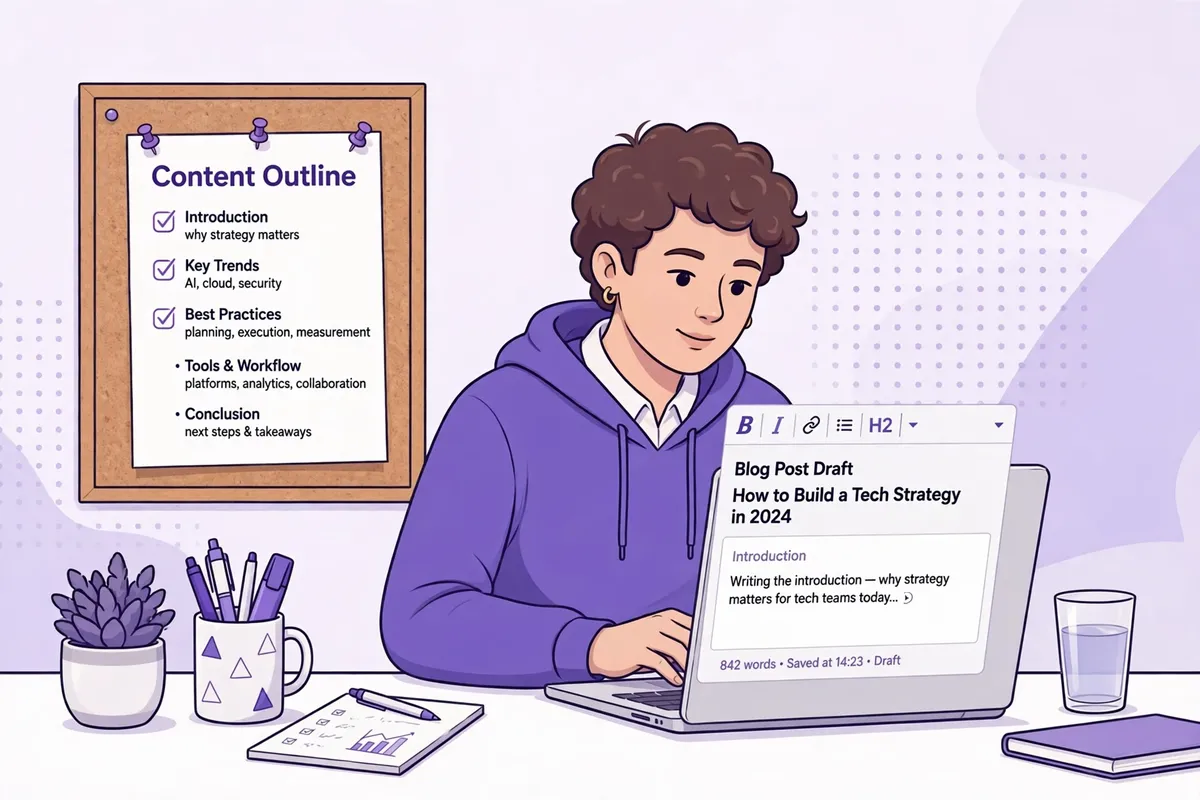
Write the first paragraph as a direct answer. State who the page is for, what it will help them do, and why it is trustworthy. Then support that answer with examples, steps, data, and images. Include your main keyword in the introduction and headings where it fits naturally, but never force it into every sentence. Read the page aloud: if it sounds written for a robot, rewrite it for a person.
Create Content That Earns Rankings
Content is still the main reason most small sites rank, but “more content” is not a strategy. One thorough, well-organized guide beats five thin posts that repeat the same advice. Before writing, search your topic and note what the best pages include, what they miss, and what questions remain unanswered in comments, forums, and customer emails. One useful page can improve website SEO without an agency more than ten thin pages ever will.
Use original detail wherever you can. Add your own process, screenshots, examples, prices, timelines, or mistakes to avoid. Generic advice is easy to copy and hard to rank with. Specific advice, such as “check these five Search Console reports every month,” is harder to copy and much more useful. This is also why tools and templates perform well: they turn advice into action.
Structure long content for scanning. Short paragraphs, descriptive subheadings, bullet lists, tables, and images help readers find what they need without reading every word. Many visitors arrive with a single question, so answer it early, then provide depth for readers who want the full method. A table of contents helps on longer guides.
Internal Linking: Help Readers and Search Engines Navigate
Internal links connect related pages, distribute authority across your site, and keep visitors moving to the next useful step. Link from a guide to a relevant tool review, from a review to a comparison, and from a comparison to a how-to post. Use descriptive anchor text that tells readers what they will find, such as “how to automate your small business with SaaS tools,” rather than “click here.”
For example, if you are improving content for search, the guide to AI content optimized for search engines shows how one tool approaches keyword-focused writing, while how to automate your small business with SaaS tools in 2026 explains the wider workflow around content and operations. Readers who want to use AI responsibly should also read how to use ChatGPT for marketing before they rely on generated drafts.
Technical SEO: Speed, Mobile, and Crawlability
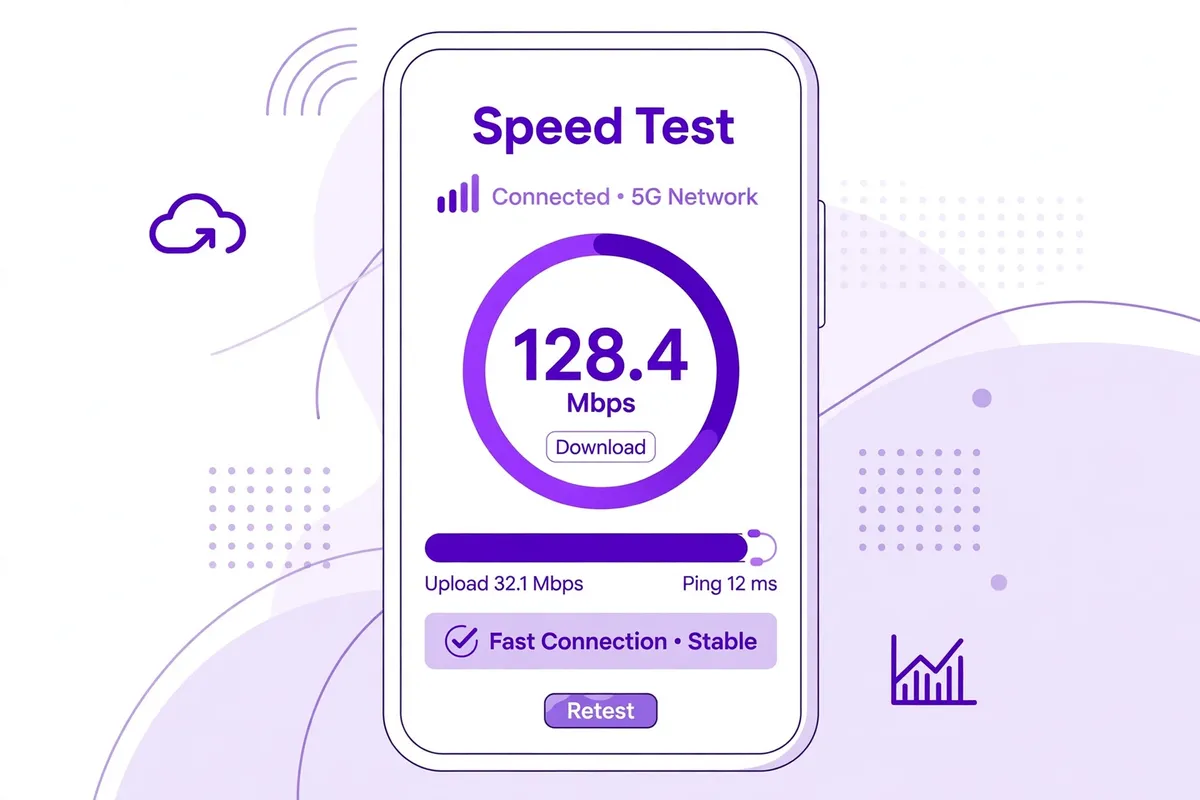
Technical SEO sounds intimidating, but most small sites only need a few checks. First, make sure pages load quickly and work well on mobile phones. Compress images, avoid unnecessary plugins and scripts, and use caching where your host or plugin supports it. Test key pages with Google PageSpeed Insights and fix the largest problems first, especially large images and slow server responses. A fast, mobile-friendly site is the foundation when you improve website SEO without an agency.
Second, make your site easy to crawl. Use clean, descriptive URLs, a logical menu, and a submitted XML sitemap. Avoid duplicate pages caused by tags, filters, or near-identical content. If two pages must exist for users, use canonical tags or consolidate them. Check Search Console’s indexing report regularly for pages that are discovered but not indexed, and fix thin, duplicated, or blocked pages.
Do Not Forget Local, Image, and User Experience SEO
If you serve a local area, local SEO deserves its own attention. Claim and complete your Google Business Profile, keep your name, address, and phone number consistent, and ask satisfied customers for reviews. Publish location pages only when they offer real, distinct information; copied pages with only the city name changed rarely help and can harm trust.
Image SEO is often overlooked. Give every image a descriptive file name and alt text that explains what the image shows and why it matters. Alt text helps accessibility and helps search engines understand visual content. Compress images before upload, choose modern formats where supported, and avoid using text-heavy images as a substitute for real page copy.
Earn Links and Mentions Without Buying Them
Links from other websites still matter, but buying links or joining link schemes can damage a site. Earn links by creating something worth referencing: original research, a useful calculator or template, a clear comparison, a detailed case study, or a genuinely better guide. Then tell the right people about it, including customers, partners, and writers who have covered similar topics. A single expert quote can improve website SEO without an agency more than a bought link ever could.
Guest posts, podcast appearances, and expert quotes can help if they are relevant and honest. Focus on audiences that would actually benefit from your work, not on the link alone. A single mention on a trusted, relevant site is worth more than dozens of low-quality directory links. Also reclaim simple wins: fix broken links to your site, turn unlinked brand mentions into links where appropriate, and list your business in reputable, relevant directories.
Measure What Matters, Then Improve
Rankings alone are a noisy measure of success. Track organic clicks and impressions in Search Console, engaged sessions and conversions in Analytics, and the performance of individual pages. A page that ranks tenth but converts well may be more valuable than a page that ranks third for a term nobody buys from. Set a simple monthly report: top growing queries, pages losing traffic, pages with high impressions but low clicks, and technical errors. Track clicks and impressions monthly to see whether your work to improve website SEO without an agency is paying off.
High impressions with low clicks often mean the title or description needs work, or the result does not match intent. Falling traffic on one page may mean a competitor improved, your content is outdated, or search intent changed. Investigate before rewriting everything. Small, targeted changes, such as a clearer introduction, a better heading, or a missing section, often recover more traffic than a full rewrite.
A Realistic 90-Day DIY SEO Plan
| Period | Focus | Outcome to check |
|---|---|---|
| Days 1–30 | Analytics, Search Console, speed, titles, and keyword clusters | Site indexed, errors fixed, priorities chosen |
| Days 31–60 | Publish or improve four to six core pages, add internal links | New pages indexed, early impressions growing |
| Days 61–90 | Update top pages, earn mentions, fix low-click results | Clicks, conversions, and rankings trending up |
Common DIY SEO Mistakes to Avoid
- Targeting only high-volume keywords and ignoring specific questions buyers actually ask.
- Publishing thin content, duplicated content, or AI drafts without editing, examples, and fact-checking.
- Stuffing keywords, hiding text, or buying links to force rankings.
- Ignoring mobile speed, broken pages, and Search Console errors.
- Changing titles, URLs, and content every week before results have time to settle.
- Measuring only rankings instead of clicks, leads, sales, and reader value.

Frequently Asked Questions
Can I do SEO myself without an agency?
Yes, especially if your site is small or focused. You need time each week for research, writing, and maintenance, plus a willingness to learn Search Console and basic on-page practices. An agency may still help for large, highly competitive sites or one-off technical audits. You can improve website SEO without an agency if you set aside a few hours each week for it.
How long does DIY SEO take to work?
Some pages can attract impressions within weeks, but meaningful organic growth usually takes three to six months. Early wins often come from specific questions and existing pages that need better titles, structure, or internal links.
Do I need paid SEO tools?
No. Google Search Console, Google Analytics, and PageSpeed Insights cover the essentials. Paid tools can speed up keyword and competitor research, but they do not replace good content, technical care, and consistent publishing.
Final Takeaway: Start Small, Stay Consistent
Improving website SEO without an agency is a craft, not a purchase. Choose a focused topic, understand what searchers want, publish genuinely helpful pages, fix technical problems, link related content together, and improve based on real data. Tools can support that work: for a broader look at choosing the right software for a small business, see how to choose SaaS tools for a small business, and for email as a companion channel, read the best email marketing software for small businesses in 2026. You can improve website SEO without an agency by starting small, measuring results, and repeating what works.
For authoritative guidance, consult Google’s SEO Starter Guide, Moz’s Beginner’s Guide to SEO, and Google PageSpeed Insights. Start this week with one page, one keyword cluster, and one improvement you can measure. Repeat that cycle, and your site will become easier to find for the people it was built to help.